Solving Hidden Cross-Hole Burrs in Metal Parts
Cross-hole and internal hole burrs are one of the costliest hidden issues in precision metal component manufacturing.
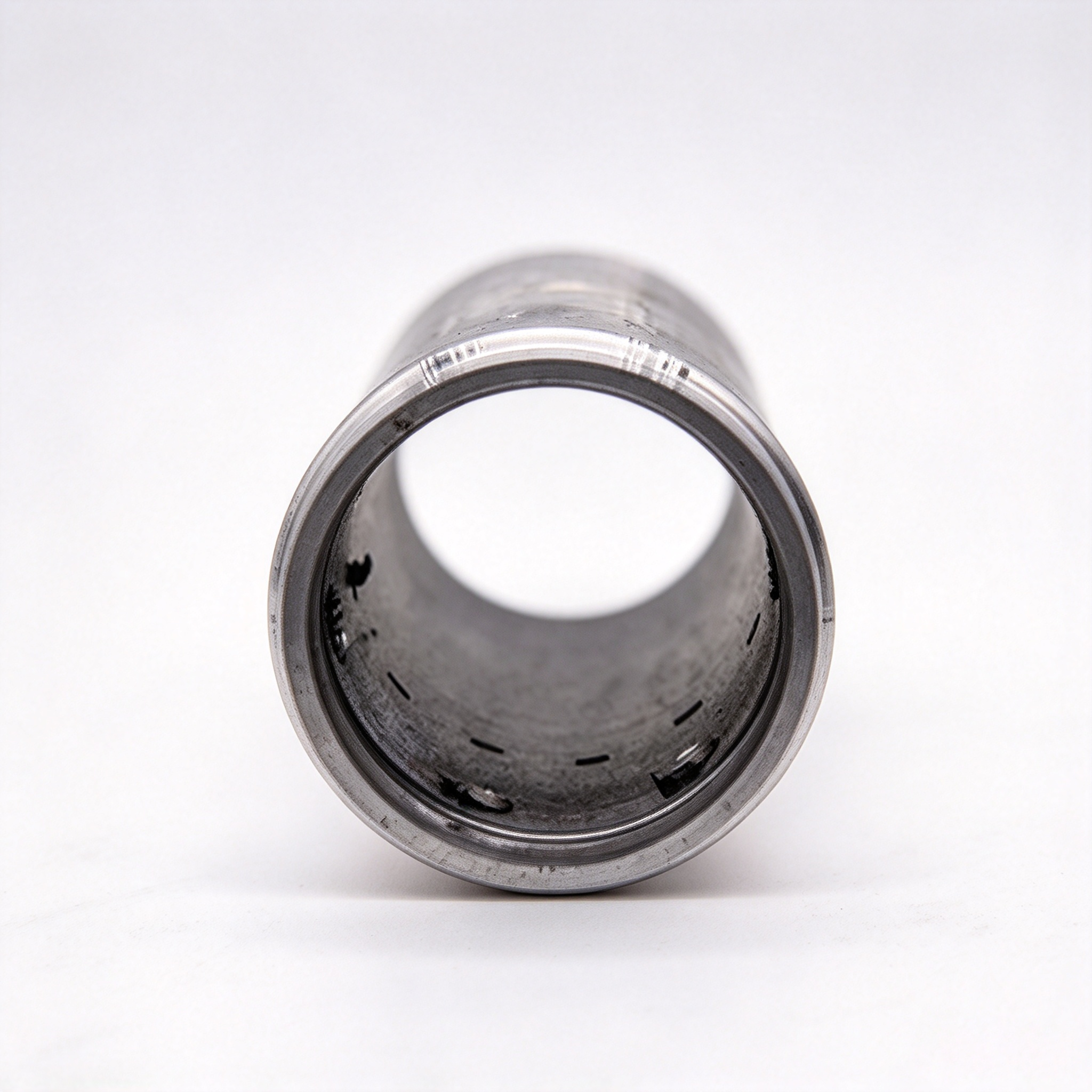
Many machining teams focus heavily on cutting tolerances and surface finish on the exterior of parts, yet overlook the small burrs formed at cross hole. These trapped burrs are difficult to reach with conventional tools. They can break loose during operation, damage seals, trigger premature component failure, or lead to rejected assemblies during quality inspection.
Most manufacturers rely on manual deburring, like hand files, or standard rigid tube brushes for inner hole finishing. While these methods work for simple parts, they create predictable production pain points: inconsistent edge quality, risk of scratching critical bore dimensions, longer cycle times, and variable rework rates that are hard to control.
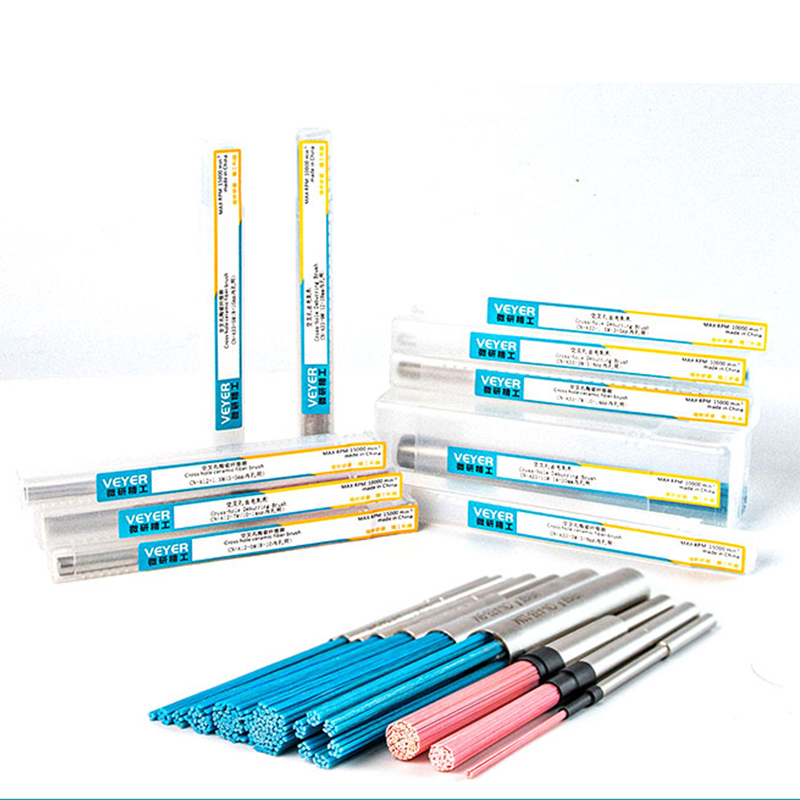
Our internal hole deburring and polishing abrasive brush was engineered specifically to address these challenges for metal inner holes and cross-hole intersections.
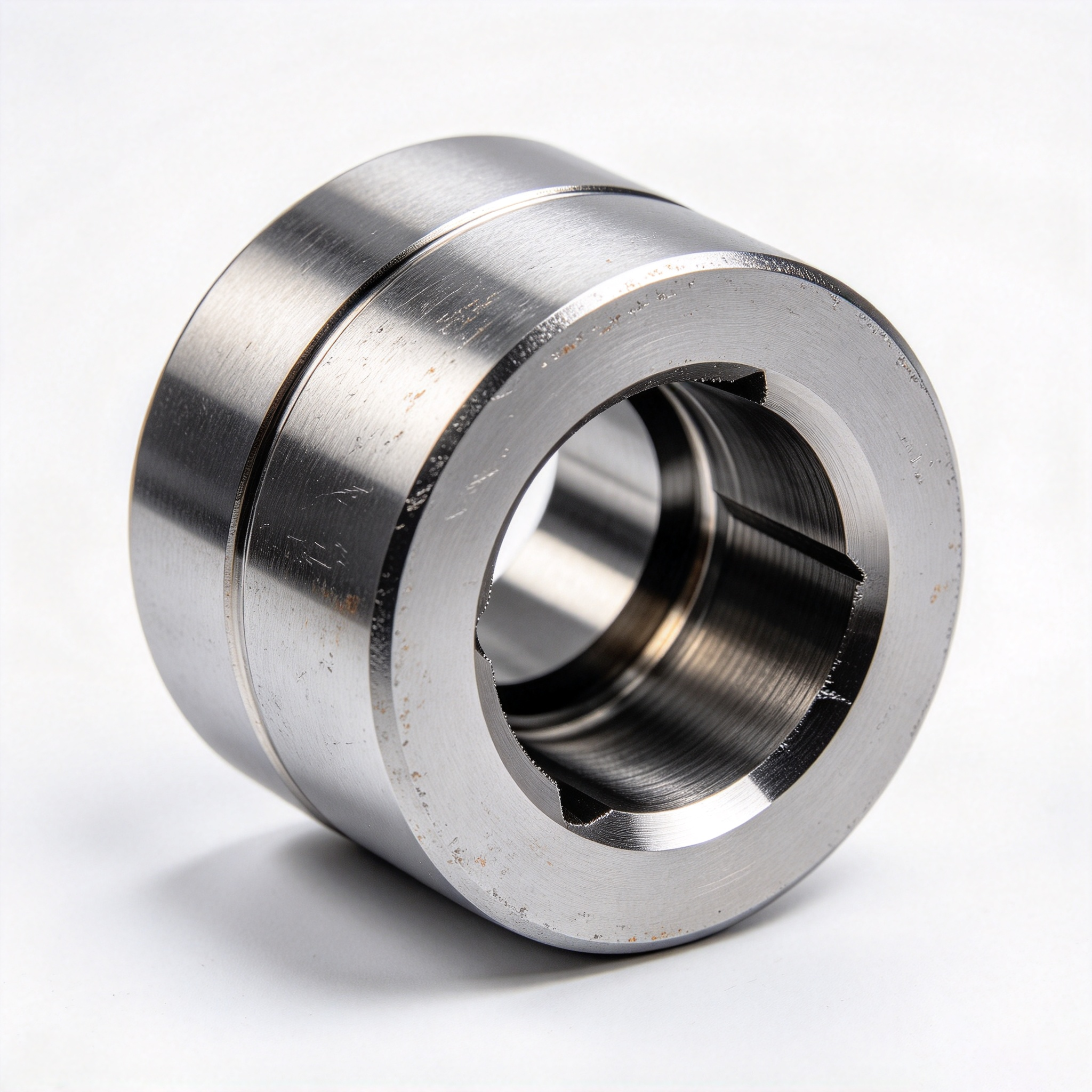
Real Production Trial Data
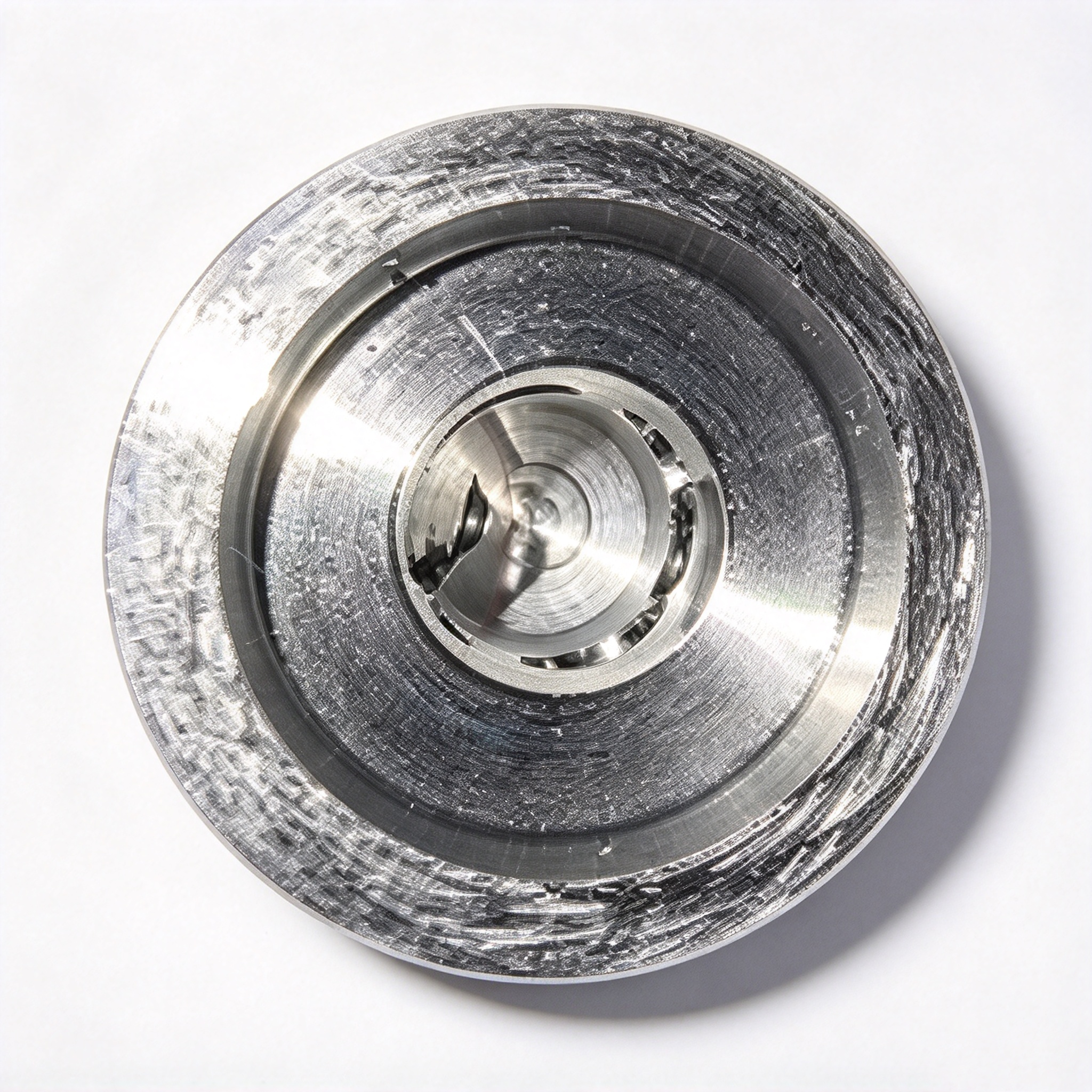
We ran a controlled side-by-side test with a hydraulic manifold manufacturer producing stainless steel valve blocks. The comparison focused purely on cross-hole intersection deburring:
- Original process: Manual hand deburring
- Cycle time: 20s per part
- Rework rate: 7%
- Operator dependency: High; finish quality varied between staff
- New process: Our CN-A33 series abrasive deburring brush mounted directly on CNC
- Cycle time: 12 seconds per part
- Rework rate: <1%
- Dimensional stability: No measurable bore damage after deburring operation
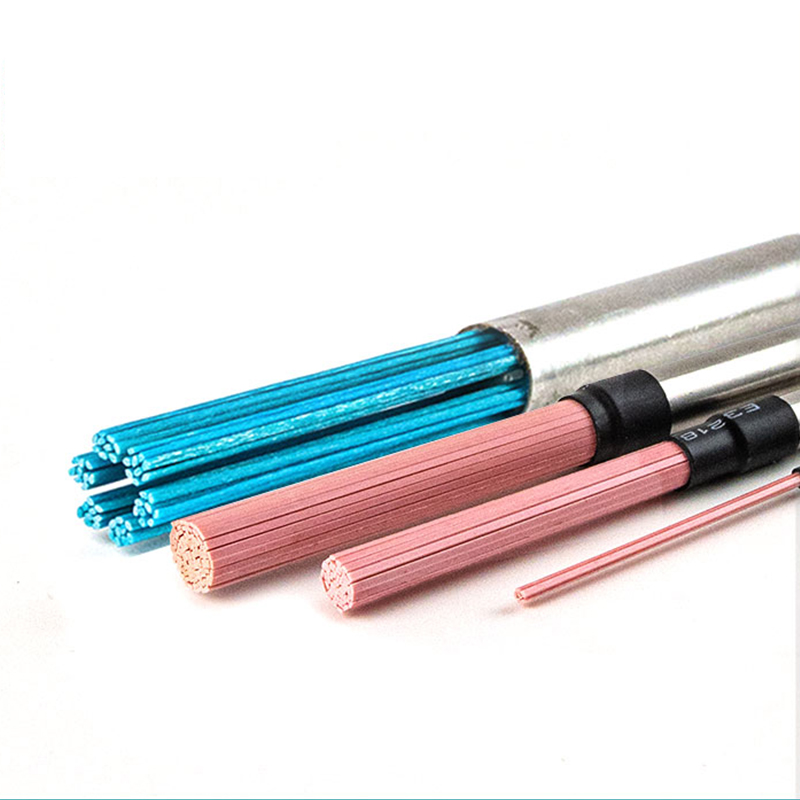
The deburring brush uses ceramic fiber abrasive filaments. When the brush reaches cross-hole intersections, the filaments expand outward to reach the hidden junction edges by rotating. It removes rollover burrs and delivers uniform light polishing in a single pass.
The tool is compatible with copper, aluminium, stainless steel, iron and many common metal alloys. It can be equipped on CNC machines, drill presses and automated finishing cells, making it suitable for low-batch prototyping and high-volume mass production alike.
Where this solution delivers value
- Removes hidden burrs trapped at cross-hole junctions that ordinary brushes cannot reach
- Reduces manual labour and operator variability
- For consistent quality, batch after batch
This is not a universal solution for every machining scenario. Part geometry, hole diameter, material and required edge radius will influence brush selection and process parameters. We always recommend sample testing before full production deployment.
If your machining team is struggling with inconsistent cross-hole or internal hole deburring, high rework costs, or unreliable manual finishing processes, feel free to reach out.