How Automated Deburring Cut Our Client’s Scrap Rate From 7.2% to 1.3%
Manual deburring has long been a hidden pain point for many metal‑processing shops.
We’ve seen this scenario countless times on production floors:
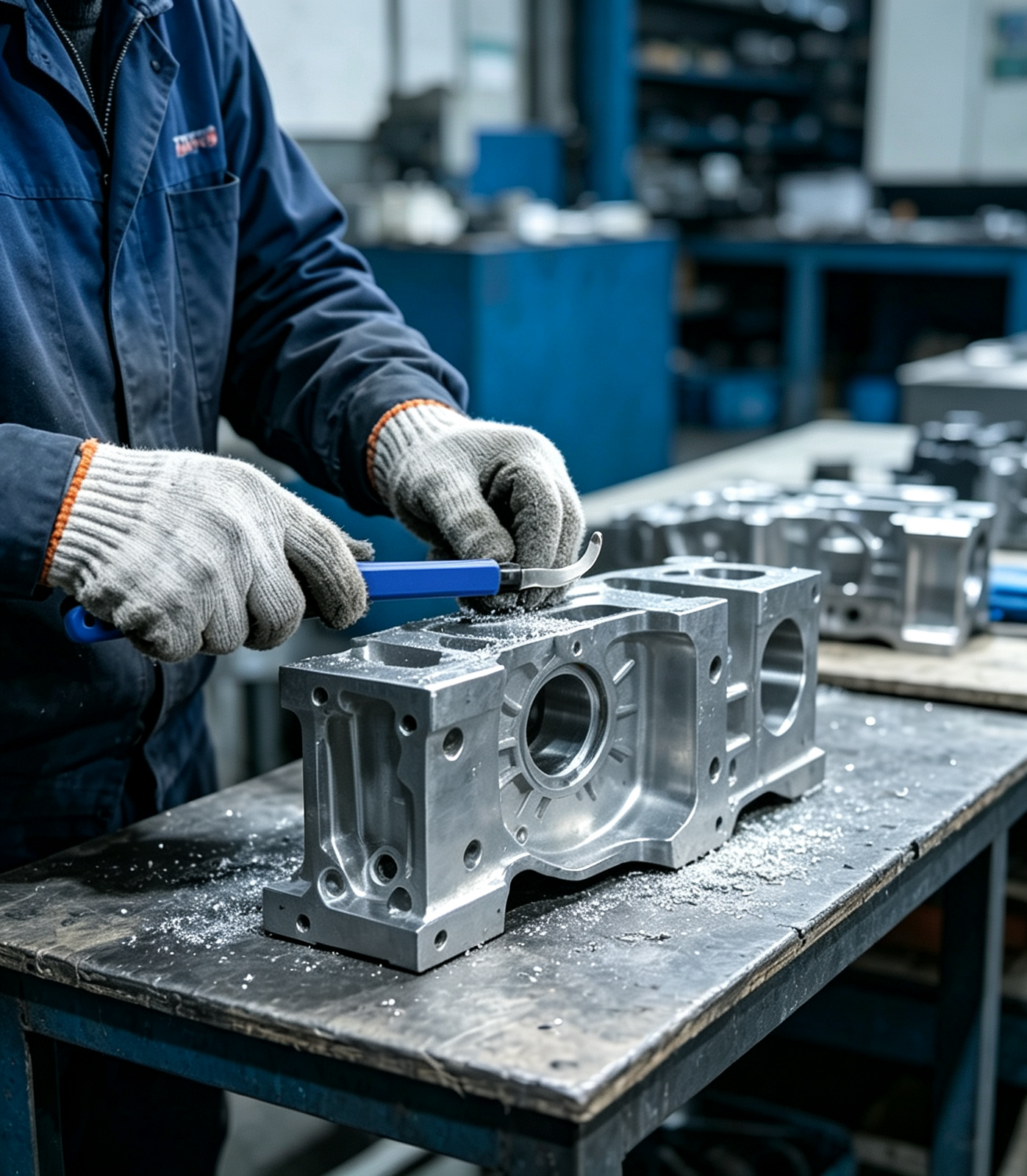
After CNC machining, parts are sent to a separate finishing station. Skilled operators use hand grinders, files or abrasive discs to remove burrs and tool marks. One operator can handle roughly 12‑18 complex metal parts per hour. After 2‑3 hours of continuous work, fatigue kicks in, inconsistency appears: some parts are well‑finished, some still retain micro‑burrs, and a small number get over‑ground and go to scrap.
Experienced deburring workers are hard to hire and expensive to retain. New operators need weeks of training before reaching stable output. Rework and quality complaints become recurring costs many manufacturers don’t fully calculate into unit pricing.
We worked with one automotive precision component client to compare real‑world numbers before and after moving deburring onto CNC with ceramic fiber brushes:
Before (manual post‑process deburring)
‑ Output: about 14 parts / hour per operator
‑ Rework & scrap rate: 7.2%
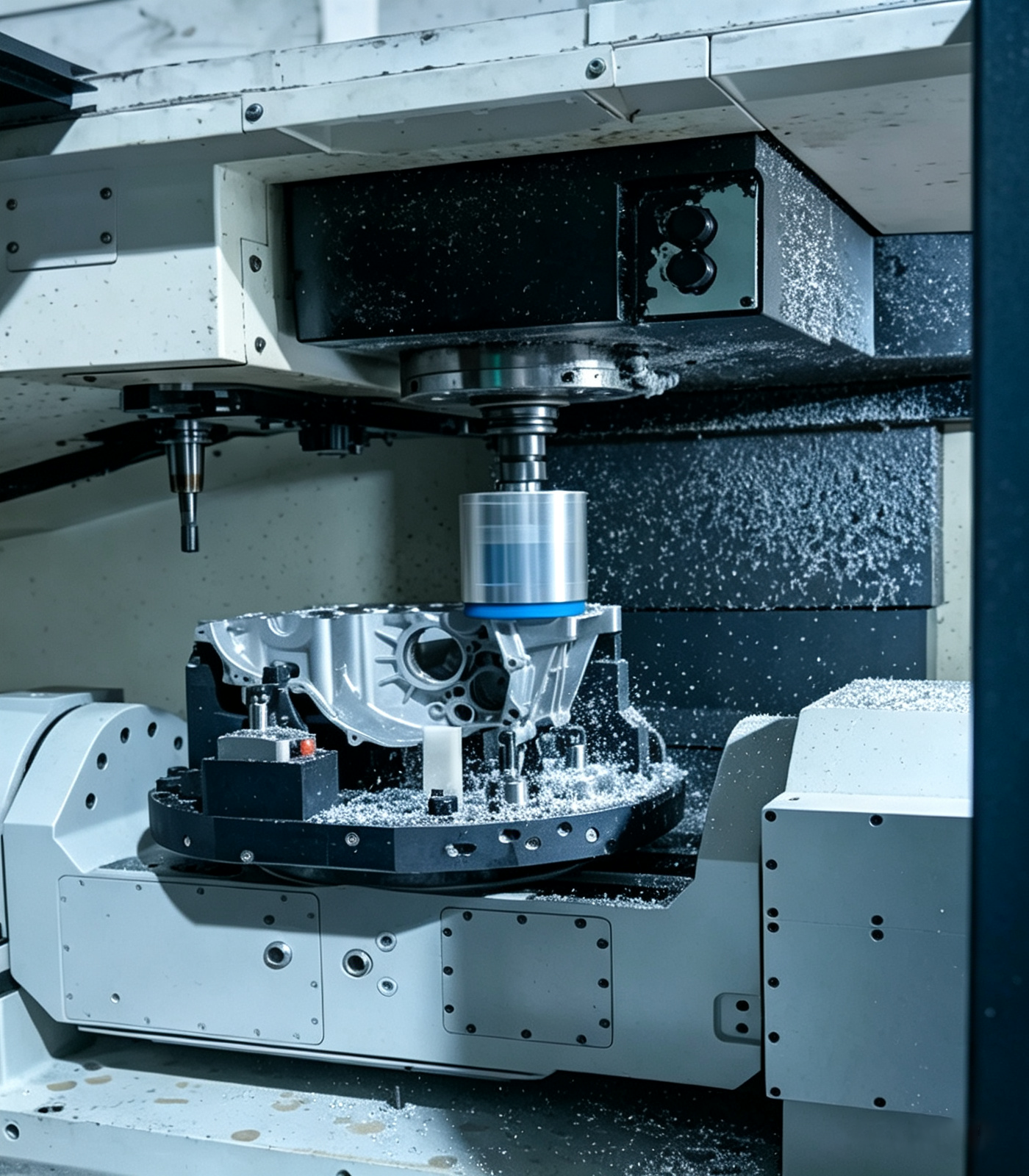
After (CNC deburring with ceramic fiber brushes)
‑ Deburring completed inside the CNC cycle, no manual station
‑ Cycle time reduced from 4.2 min/part down to 1.1 min/part
‑ Rework + scrap dropped to 1.3%
What makes ceramic fiber brushes fit for automated deburring & polishing?
Unlike ordinary abrasive nylon brushes, ceramic fiber bristles deliver steady, self‑sharpening cutting force. It removes micro‑burrs, sharp edges and faded milling tool marks, while avoiding aggressive over‑cutting on copper, aluminium, stainless steel and steel parts. It can be directly mounted on CNC spindles or robotic, turning separate finishing work into part of your existing machining program.
Automation is not simply “replacing people”.
It shifts your cost structure: you reduce variable labor cost, cut hidden loss from rework and scrap, and stabilize output quality. Many of our customers see tangible pay‑back.
That said, automation for deburring is not one‑size‑fits‑all. Low‑mix low‑volume prototype jobs may still justify manual work. But for serial mass production of metal components, relying purely on human hands for critical edge finishing is increasingly risky.
I’m curious: What is your biggest bottleneck on deburring & surface finishing in your shop? Labor cost, inconsistent quality, or cycle‑time pressure? Leave your comment below.