How to Choose the Right Abrasive Deburring & Polishing Brush for Every Part & Application
Introduction: The Hidden Cost of Choosing the Wrong Deburring Brush
In precision manufacturing, metalworking, and automotive/aerospace industries, deburring is often treated as an afterthought — but choosing the wrong brush can disrupt your whole production process
You’ve seen the consequences firsthand:
-
Damaged workpieces: Soft aluminum parts scratched by aggressive steel wire brushes.
-
Inconsistent finishes: Improperly set parameters lead to uneven finishing and unsatisfactory effects.
-
Wasted time: Improper tool selection makes it hard to remove burrs from narrow corners and intersecting holes thoroughly.
-
Higher costs: Frequent tool changes, rework and defective products cut down your profit margins.
The truth is, there’s no “one-size-fits-all” brush. The right choice depends on three core factors: your part material, the burr location/severity, and I’m breaking down exactly how to match your deburring brush to your most common applications.
Today, I’m breaking down exactly how to match your deburring brush to your most common applications — so you can eliminate guesswork, boost efficiency, and protect your product quality.
1. Flat Surfaces & External Edges (CNC Machined Parts, Metal)
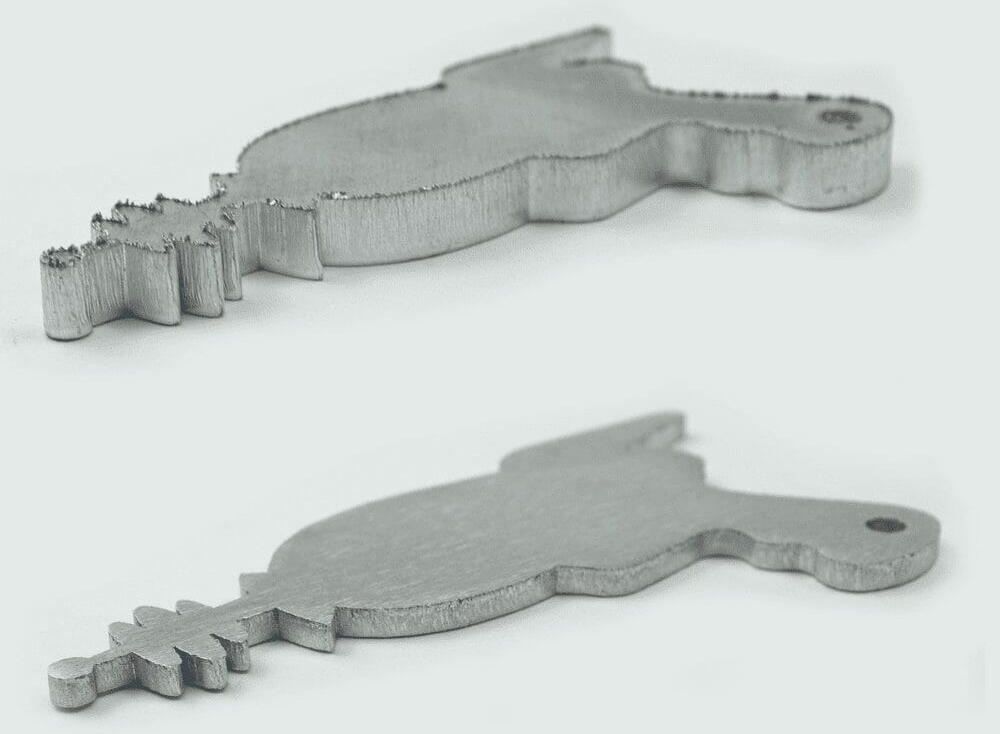
Common Challenges:
-
Large, uniform surfaces with minor burrs or tool marks
-
Achieve smooth edge blending without damaging workpiece precision.
-
Materials: Stainless steel, aluminum, iron, copper etc.
Stainless Steel/Iron (Hard Metals)
Best Brush Type:CN-CB HS series, GD series, GS series.
Why It Works:It delivers powerful yet controllable grinding to remove burrs on hard metal workpieces. Ideal for automated CNC lines with finishing.
Aluminum/Copper (Soft Metals)
Best Brush Type:CN-CB MS series, TD series, PD series.
Why It Works:Gentle, non-scratching filaments remove burrs without damaging the soft substrate. Perfect for cosmetic finishing.
Pro Tip: For large flat surfaces, use a disc brush mounted on your CNC spindle for uniform, repeatable results. For tight external corners, switch to a small end brush to target burrs without over-finishing adjacent areas.
2. Cross Holes, Internal Passages & Deep Bores (Engine Blocks, Hydraulic Valves)
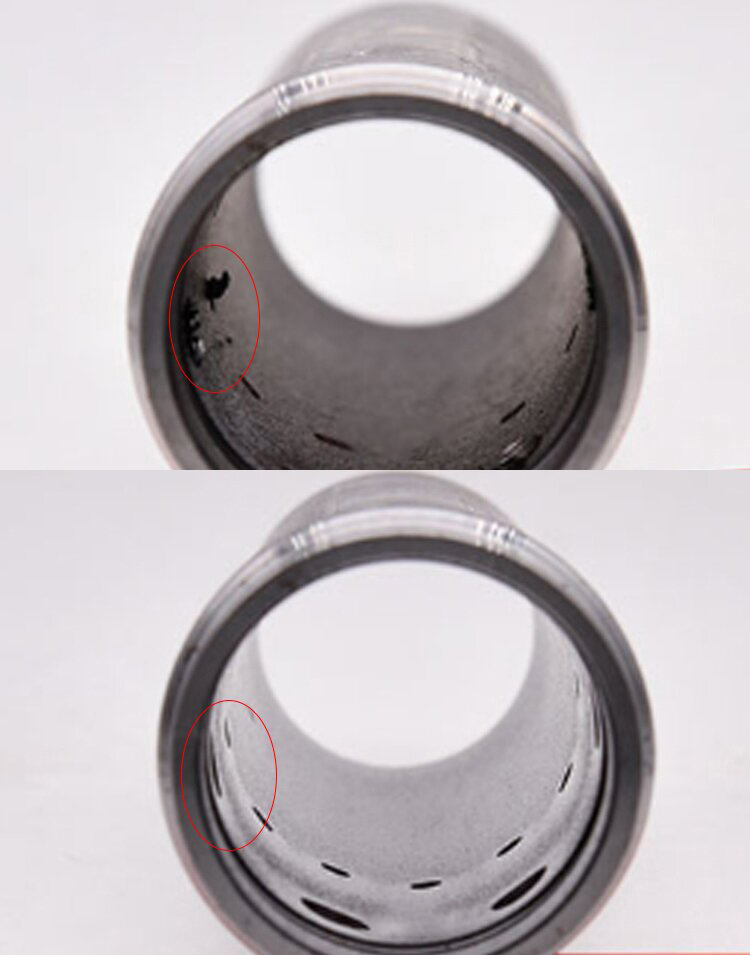
Common Challenges:
-
Hidden burrs at cross-hole intersections or deep inside bores
-
Limited access for standard tools
-
Risk of damaging internal surfaces with over-aggressive brushes
Hole deburring
Best Brush Type:Ceramic Fiber Hole Brush(CN-A12/CN-A33 series, CB31R/CB31B series, HD series, DG series.)
Why It Works:Long filaments reach deep into cross holes, conforming to the passage shape to remove burrs without leaving scratches.
Hole polishing
Best Brush Type:Ball Hone Polishing Brush(BD series, CN-A12/CN-A33 series, CB31R/CB31B series.)
Why It Works:Soft abrasive filaments clean internal walls and remove machining marks, with consistent pressure along the entire bore length.
Complex hole deburring and grinding
Best Brush Type:Oil Stone Grinding Head
Why It Works:High-quality fiber oil stone abrasives efficiently remove heavy burrs, with long-lasting performance for high-volume production.
Pro Tip: Use a brush with a flexible shank for complex passages — it will follow the hole path and prevent the tip from breaking off inside the part.
3. Heavy-Duty Applications (Castings, Rust Removal)
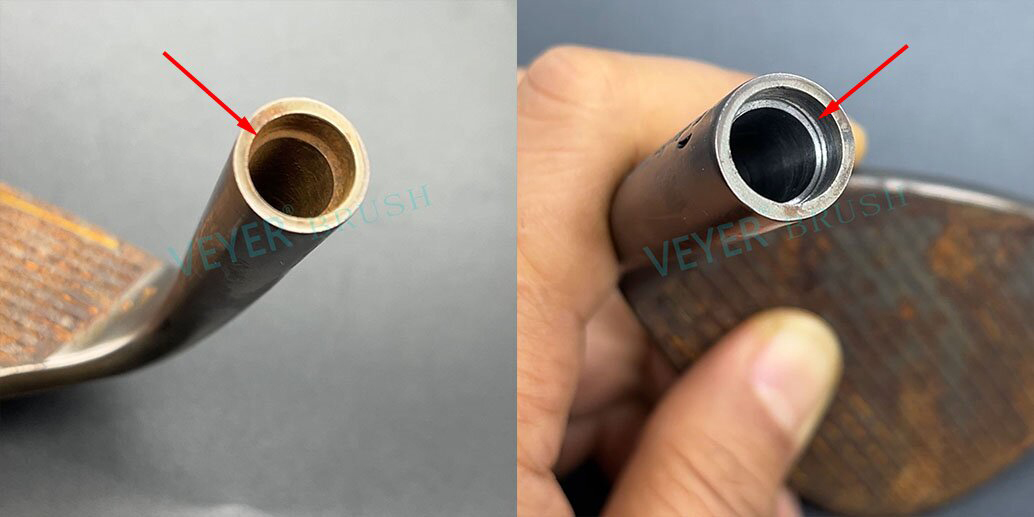
Common Challenges:
-
Thick, stubborn burrs from casting or welding processes
-
Oxidation, scale, or spatter that require heavy-duty cleaning treatment
-
Materials: Iron, weldments, steel
Casting Surface Deburring
Best Brush Type:Wire Brush
Why It Works:Effectively removes stubborn burrs or flash from workpiece surfaces; highly durable and long-lasting.
Deburring of holes in harder metals
Best Brush Type:Lantern inner hole brush
Why It Works:Features alloy steel bristles that are wear-resistant and long-lasting, capable of effectively removing hard burrs from both the hole opening and the interior.
Pro Tip: Note that steel wire brushes are relatively hard and may leave scratches easily. Please adjust operating parameters properly and conduct trial machining first.
Quick Decision Guide: Match Your Brush to the Job
Light deburring on soft aluminum parts
Material Recommendation:Ceramic Fiber/Ceramic Filament
Brush Form Recommendation:surface brush
Cross-hole deburring in engine blocks
Material Recommendation:Ceramic Fiber/Silicon Carbide
Brush Form Recommendation:Internal Hole Brush
Heavy deburring cleaning on carbon steel
Material Recommendation:Steel Wire
Brush Form Recommendation:Wire Brush/lantern inner hole brush
Micro-precision polishing
Material Recommendation:Ultra-Fine Ceramic Fiber
Brush Form Recommendation:Micro Polishing Brush
High-volume CNC flat surface finishing
Material Recommendation:Silicon Carbide/Ceramic Filament
Brush Form Recommendation:Disc Brush
Final Thoughts: Deburring Brushes Aren’t “One-Size-Fits-All”
The right deburring brush isn’t just a tool — it’s an investment in your product quality, production efficiency, and bottom line. By matching the filament material, brush shape, and grit to your specific part and challenge, you can eliminate rework, extend tool life, and deliver consistent results every time.
If you’re still unsure which brush is right for your application, drop a comment below with your part material, burr location, and production volume — I’ll help you narrow down the best solution.


